When wastewater starts backing up into a basement floor drain or the lowest toilet in the building gurgles every time someone runs the sink, that usually points to a bigger problem than a simple clog. A main sewer line cleanout service is the way professionals access the line, find the blockage, and clear it before a messy backup turns into property damage.
For homeowners, landlords, and small business owners, the real issue is not the pipe itself. It is the interruption. You cannot ignore a sewer line problem and hope it works itself out. The longer it sits, the higher the chance of overflow, foul odors, slow drains throughout the property, and a repair bill that climbs fast.
What main sewer line cleanout service actually means
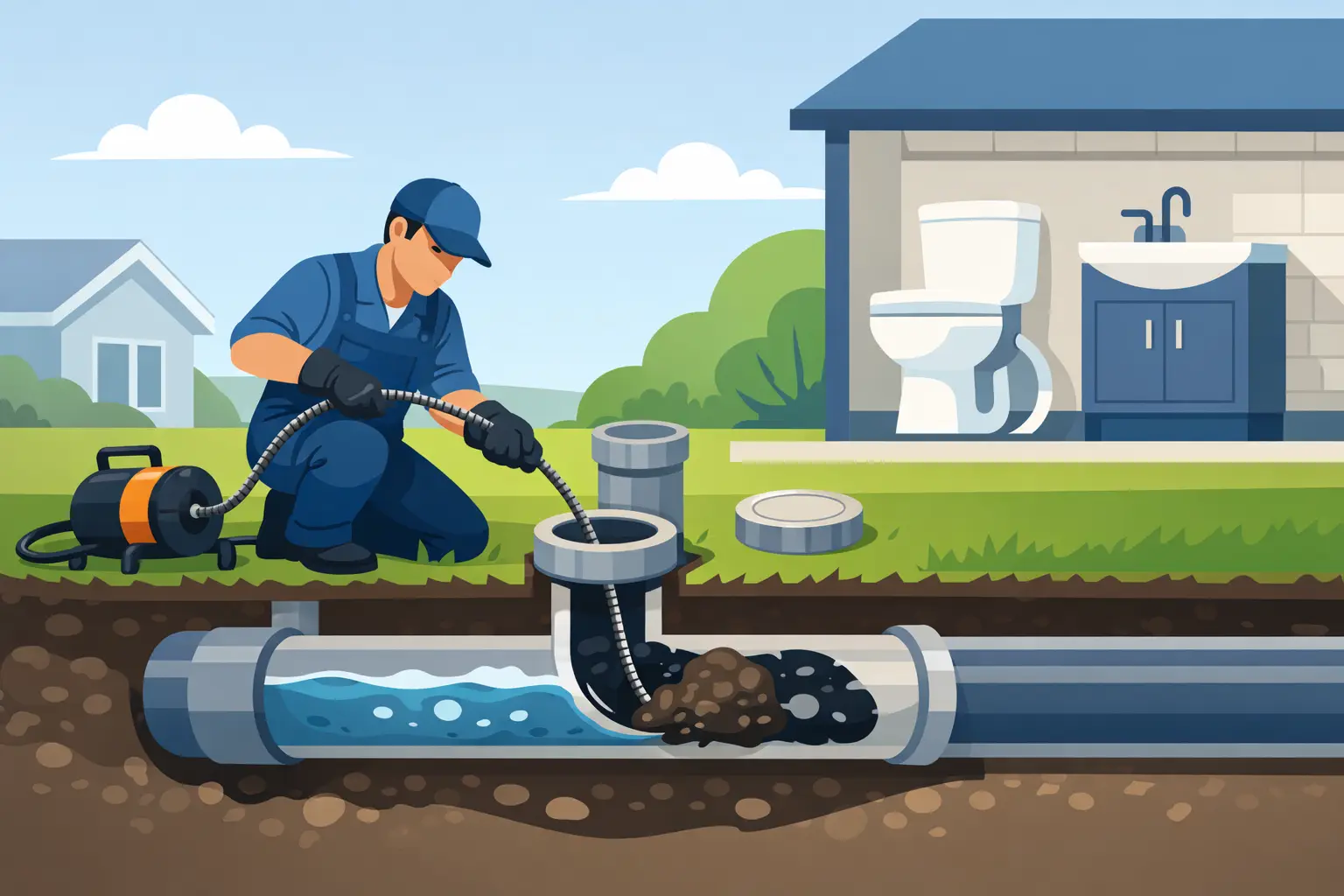
A cleanout is an access point connected to the main sewer line. It gives a drain and sewer specialist a direct way to inspect or clear the line without removing a toilet or taking apart interior plumbing. In many homes and commercial properties, the cleanout is located outside near the foundation, in a basement, crawl space, or utility area.
When you schedule main sewer line cleanout service, the goal is not just to poke a hole through a clog. The job is to restore proper flow through the main line and figure out what is causing the trouble in the first place. That may be grease buildup, wipes, sludge, scale, roots, or a heavier blockage farther down the pipe.
That difference matters. A line that is barely opened up may drain for a few days, then plug again. A line that is properly cleaned and inspected gives you a much better shot at a lasting fix.
Signs you may need a main sewer line cleanout service
A single slow sink does not always mean the main sewer line is blocked. But when several fixtures act up at once, the pattern starts to matter.
The most common warning signs are drains backing up in multiple areas, bubbling toilets, water appearing in a tub or floor drain when another fixture is used, sewage odors inside or outside, and recurring clogs that keep coming back even after plunging or store-bought drain products. If the lowest drain in the building backs up first, that is often a strong clue the problem is in the main line.
Outdoor signs can show up too. You might notice soggy ground near the sewer path, bad smells in the yard, or unusually lush patches of grass over the line. Those do not always mean a full stoppage, but they are worth checking before a small issue becomes an emergency.
Why main line blockages happen
Most main sewer problems build up over time. Grease and soap residue can cling to the pipe walls and gradually narrow the opening. Flushable wipes are a common problem because they do not break down the way toilet paper does. In older lines, scale and corrosion can catch debris and create a choke point.
Roots are another frequent cause, especially in older neighborhoods with mature trees. A small crack or joint gap can let in roots looking for moisture. Once they enter the pipe, they trap paper and waste until the line slows down or stops.
Then there are situations where it depends on the property. A restaurant, rental unit, or building with heavy restroom use may deal with more grease, paper load, or misuse than a single-family home. That is why a real diagnosis matters. The right cleaning method for one property may not be the best fit for another.
How the service is usually performed
A professional main sewer line cleanout service often starts with opening the cleanout and checking the condition of the line. In some cases, the blockage is obvious right away. In others, a sewer camera inspection helps show what is happening inside the pipe and how far down the issue sits.
From there, the technician chooses the right tool for the blockage. A drain machine may be used to break through roots or dense obstructions. Hydro-jetting may be used to clean the full inner wall of the pipe with high-pressure water, cutting through grease, sludge, and buildup more thoroughly than a basic cable pass.
This is where experience matters. Not every line should be treated the same way. Older or damaged pipes may need a more careful approach, while a line packed with grease or recurring buildup may benefit most from hydro-jetting. The point is to match the method to the pipe condition and the type of blockage, not force one tool into every job.
Cleanout access makes the job faster and cleaner
A working cleanout gives direct access to the main line, which can save time and reduce disruption. It often means less guesswork, faster setup, and a cleaner service process. That is good news when you are dealing with a backup and want the problem handled quickly.
If a property does not have an accessible cleanout, service can still be possible, but the process may be more complicated. Access might need to come through another point in the plumbing system, and that can add time. For that reason, it is smart to know where your cleanout is located before you have an emergency.
Why DIY fixes often fall short
A plunger or small hand auger can help with a localized clog, but main sewer line problems are different. Chemical drain cleaners are especially risky because they rarely solve a mainline stoppage and can create additional issues for the piping or for the technician who has to open the line later.
The bigger problem with DIY sewer clearing is partial results. You might get enough flow to make the symptoms disappear for a short time, but the buildup remains. If roots, grease, or heavy sludge are still in the line, the backup usually returns.
There is also a safety issue. Opening a sewer cleanout under pressure can release wastewater suddenly. That is not a surprise most property owners want to deal with on their own.
When it is an emergency and when it is preventive
If sewage is backing up into the property, if toilets and drains across the building have stopped working, or if wastewater is surfacing where it should not, call right away. Those are urgent situations because they can damage floors, walls, and anything stored nearby.
But not every main sewer line cleanout service call starts with a disaster. Preventive cleaning makes sense for some properties, especially older homes, rentals with repeated drain problems, buildings with past root intrusion, and businesses that put heavier demand on the drainage system. If a line has a history of slowing down every year or two, cleaning it before it backs up can save a lot of stress.
That is often the smarter move for landlords and property managers. Waiting until a tenant reports sewage backup usually means dealing with a more expensive, more disruptive problem.
What to expect from a reliable local specialist
Good service should feel straightforward. You want a crew that shows up fast, explains what they found, and recommends the right cleaning method without a lot of runaround. You also want clear pricing and honest communication about whether the line simply needs cleaning or whether there may be a deeper repair issue.
A focused drain and sewer company brings the right equipment and sees these problems every day. That matters when you are trying to separate a simple blockage from a root problem, a collapsed section, or a line that needs follow-up inspection. In Southeast Iowa and nearby communities, local response time matters too. Sewer backups do not get better while you wait.
Drain Pros LLC focuses on drain cleaning, sewer clearing, hydro-jetting, and inspections, which is exactly what customers need when the problem is in the line and time matters.
Main sewer line cleanout service and long-term pipe health
Clearing a main line is about more than getting water to go down again. It gives you a better look at how the system is holding up. If the line clears cleanly and inspection shows solid pipe walls, that is reassuring. If roots keep returning or the camera shows damage, you can plan the next step before a full failure catches you off guard.
That is the trade-off many property owners face. The cheapest short-term option is not always the most affordable over time. A quick opening may get you through the week, while a more complete cleaning and inspection can help prevent repeat service calls and surprise backups.
If your drains have been warning you, believe them. The best time to deal with a main sewer problem is before sewage ends up where it does not belong.