A toilet that bubbles when the washing machine drains is not just an annoying plumbing quirk. A floor drain that backs up after a hard rain or a kitchen sink that keeps clogging can point to a problem farther down the line. A professional sewer inspection Burlington property owners can rely on takes the guesswork out of those warning signs before a small blockage turns into a messy backup.
For homeowners, landlords, and business owners, the goal is simple: find out what is happening inside the sewer line and choose the right fix. That might mean clearing a buildup, cutting through roots, hydro-jetting the pipe, or planning for repair if the line is damaged. The camera shows what is actually there, so you are not paying to solve the wrong problem.
What a Sewer Inspection Can Show
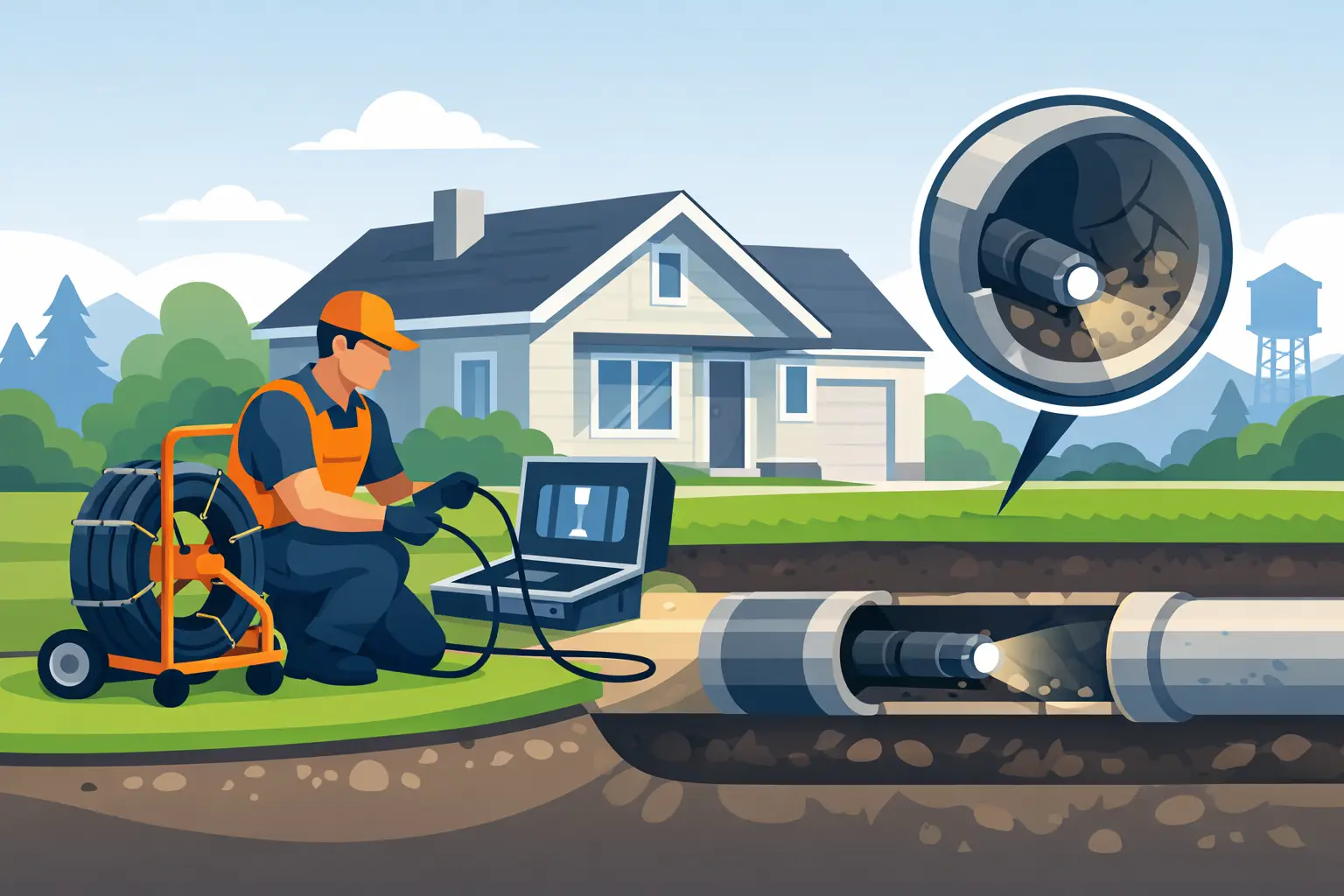
A sewer camera inspection uses a small waterproof camera that travels through the drain or sewer line. The technician watches a live video feed to locate trouble spots, see the condition of the pipe, and determine how far the issue is from the cleanout or access point.
This is especially useful when a problem keeps returning. Snaking a drain can restore flow, but it may not remove thick grease, root growth, scale, or buildup along the pipe walls. If the line is cracked, offset, sagging, or partially collapsed, a temporary clearing may not last. A camera inspection helps separate a routine clog from a line condition that needs a different approach.
Common findings include tree roots entering through joints or cracks, grease and food buildup, wipes and other items that should not have been flushed, broken pipe sections, and low spots where waste and water collect. Older properties may have aging materials or joints that have shifted over time. Newer homes are not immune either. Construction debris, improper slope, or a damaged line can create problems at any age.
Signs You Should Schedule a Sewer Inspection in Burlington
One slow drain by itself may be a local clog near that fixture. Multiple drains acting up at once is more likely to involve the main sewer line. Pay attention to patterns, not just the most obvious symptom.
A sewer inspection is a smart next step when you notice four or more of these issues:
- Toilets gurgle, bubble, or lose water in the bowl.
- Water backs up into a tub, shower, or floor drain when another fixture runs.
- Drains are slow throughout the house or building, not just in one room.
- You have had the same clog cleared more than once in a short period.
- Sewage odors are noticeable indoors, near a floor drain, or outside around the sewer path.
- A cleanout overflows or water appears around it.
For a rental property or commercial space, recurring drainage trouble deserves quick attention. A backup can disrupt tenants, customers, employees, and daily operations. Getting the line inspected early can help prevent an after-hours emergency and give you a clearer plan for maintenance or repair.
Why a Camera Is Better Than Guessing
Without a camera, the first step is often based on symptoms. That can be enough for a straightforward clog, but it is not always enough for a recurring mainline issue. A line may drain after being cabled, then clog again because roots are still catching paper and waste. Or it may appear clear until heavy use exposes a belly in the pipe.
A camera inspection provides evidence. It helps identify the type of blockage, where it sits, and whether the pipe itself is in good shape. That matters when deciding between drain cleaning and hydro-jetting. It also matters before making a larger repair decision. If the line is structurally sound but coated with grease or scale, thorough cleaning may be the practical answer. If the pipe has serious damage, cleaning alone will not make that damage disappear.
There are trade-offs. Hydro-jetting can be highly effective for grease, sludge, roots, and heavy buildup, but the line should be assessed first when there is concern about older or damaged pipe. A qualified inspection helps make sure the cleaning method fits the condition of the sewer line.
Sewer Problems Are Often Preventable
Not every sewer issue can be prevented. Roots grow, pipes age, and underground lines can shift. Still, many calls begin with materials that should not enter the drain in the first place.
Grease may look like a liquid when it goes down a kitchen sink, but it cools and sticks inside the pipe. Over time, it traps food particles and reduces the opening in the line. Wipes, paper towels, feminine products, and hygiene items can snag in bends or root growth even when the package says “flushable.” In commercial kitchens, regular cleaning is often needed because normal daily use puts more grease into the system.
Preventive inspection makes sense for properties with a history of roots, older sewer lines, frequent backups, or high drain use. It can also be worthwhile before buying a home, particularly when the age and condition of the underground sewer line are unknown. A standard home inspection may not show what is happening inside that pipe.
What Happens During the Inspection
The process is straightforward. A drain and sewer specialist accesses the line through an available cleanout whenever possible, then feeds the camera through the pipe. The video allows the technician to look for blockages, buildup, root intrusion, standing water, breaks, and other conditions affecting flow.
If the line is blocked, cleaning may be needed before the full inspection can be completed. In other cases, the inspection clearly shows that the line needs cleaning right away. The important part is getting a plain explanation of what was found, what can be handled now, and what should be watched or planned for later.
At Drain Pros LLC, the focus is on giving Burlington-area customers a practical answer, not adding unnecessary work. If a cable machine is the right tool, that should be clear. If hydro-jetting will provide a more thorough cleaning, you should know why. And if the camera shows pipe damage, you deserve to see the reason for the recommendation.
When to Call for Help Instead of Waiting
A sewer backup is one of those problems that rarely improves on its own. Continuing to run water when several fixtures are draining poorly can force wastewater into the lowest drain in the building. That could be a basement shower, a floor drain, or a utility area.
If sewage is backing up, stop using water fixtures as much as possible until the line is checked. Avoid running the dishwasher, washing machine, or multiple showers. Keep people and pets away from contaminated water, and arrange professional help promptly. Quick action can limit the mess and help protect floors, walls, and belongings.
For less urgent problems, do not wait until the next backup to get answers. A recurring clog is your system telling you something is still there. A camera inspection can identify the cause while you still have time to make a calm, informed decision.
A clear sewer line is easy to take for granted until it is not. If your Burlington home, rental, or business is showing signs of a mainline problem, getting a look inside the pipe can turn uncertainty into a sensible next step.