A plunger can handle a simple clog. A bottle of drain cleaner might seem like a quick fix. But when the same drain problem keeps coming back, or multiple drains start acting up at once, it is fair to ask: when do you need a sewer camera inspection?
The short answer is when the problem is deeper than a basic clog and you want to know exactly what is going on inside the line before spending money on the wrong fix. A sewer camera inspection gives a clear look inside the pipe so you are not guessing. For homeowners, landlords, and business owners around Burlington and nearby towns, that can mean faster answers, less mess, and fewer repeat service calls.
When do you need a sewer camera inspection for a drain problem?
You usually need a sewer camera inspection when symptoms point to a main sewer line issue instead of a single fixture clog. If one sink is slow, that may be a local blockage. If the basement drain, toilet, and shower are all backing up, the issue may be farther down the line.
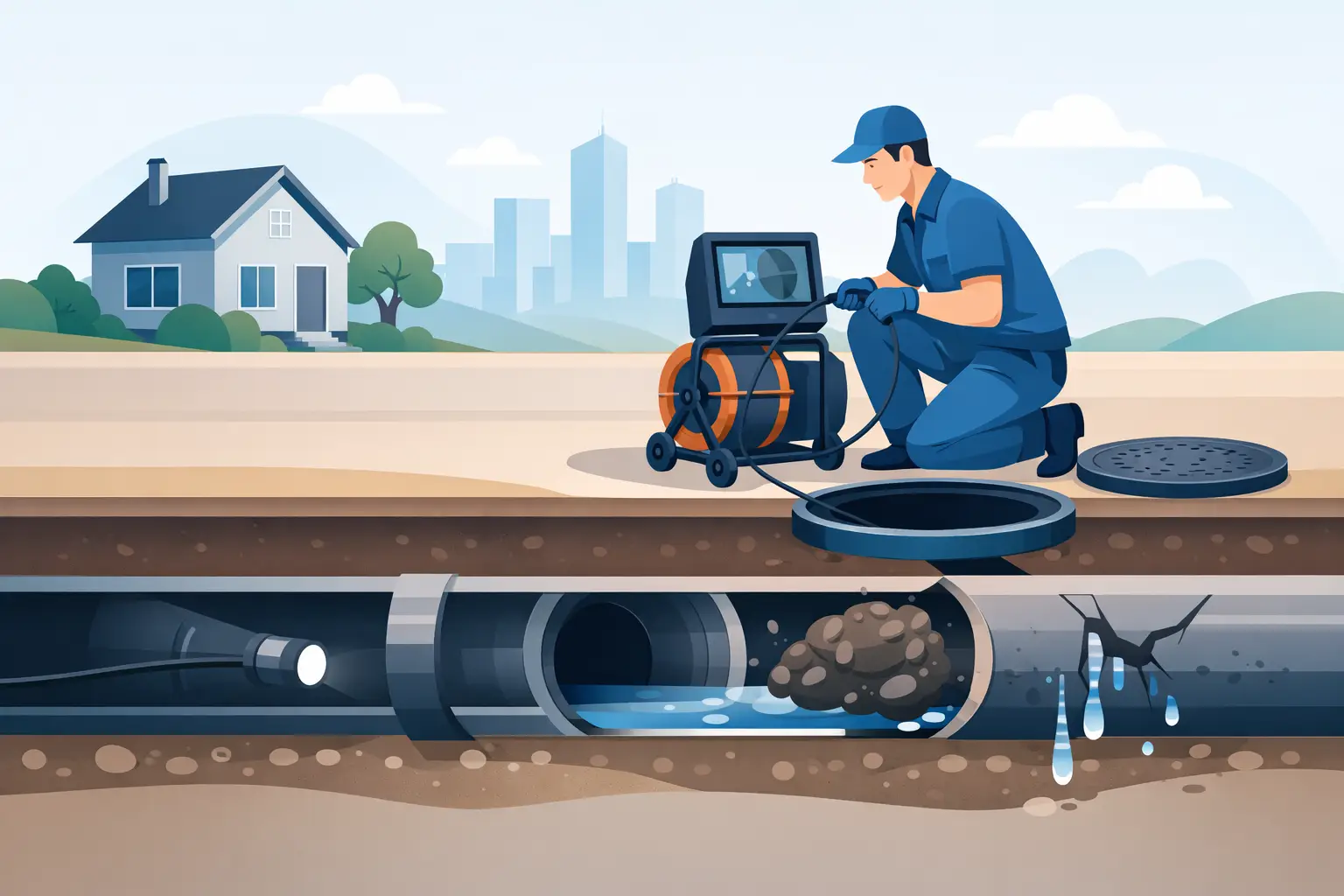
A camera inspection is especially useful when the cause is not obvious. It helps confirm whether the problem is grease buildup, roots, a collapsed section of pipe, a belly in the line, scale, or something else. That matters because each problem calls for a different repair approach.
This is one of the biggest reasons property owners waste money. They pay to clear a line, only to have the same backup happen again because the real issue was never identified. A camera inspection helps avoid that cycle.
Warning signs that should not be ignored
Some sewer line problems build slowly. Others show up all at once. Either way, there are a few signs that tell you it is time to stop guessing.
Recurring clogs are a major one. If the same toilet, floor drain, or shower keeps backing up after being snaked or plunged, there may be damage or heavy buildup farther down the line.
Multiple drains draining slowly at the same time is another red flag. That points to a shared line problem, not just a clogged sink trap. Gurgling sounds can also mean air is being trapped by a blockage in the sewer line.
Foul sewer odors inside or outside the property should be taken seriously. A broken line, a severe blockage, or a venting issue may be involved. Wet spots in the yard, extra-green patches of grass, or unexplained soggy areas can also suggest a sewer leak underground.
If sewage backs up into a tub, shower, basement floor drain, or lower-level toilet, that is one of the clearest signs you may need a camera inspection. Backups do not just create a mess. They can damage flooring, drywall, and personal property in a hurry.
A camera inspection is often the smart move after a clog keeps coming back
Not every drain problem starts as an emergency. Sometimes it starts with a sink that runs slow once in a while, then a toilet that bubbles, then a shower that drains slower every month. That pattern matters.
When a clog returns after cleaning, there is usually a reason. The pipe may have rough spots catching debris. Tree roots may be growing through a joint. Grease or sludge may be coating the pipe walls. Older sewer lines can also shift, crack, or sag over time.
A camera inspection shows whether the line just needs a more thorough cleaning, such as hydro-jetting, or whether there is structural damage that cleaning alone will not solve. That is a big difference. It can keep you from paying for repeat work that only buys a little time.
When do you need a sewer camera inspection before buying or selling property?
If you are buying an older home or commercial building, a sewer camera inspection can be one of the smartest preventive checks you do. A standard property inspection may not show what is happening underground in the sewer lateral.
Sewer line repairs can be expensive, especially if the line is long, damaged under concrete, or affected by roots. A camera inspection can reveal cracks, offset joints, heavy buildup, corrosion, or improper past repairs before you take ownership.
Sellers can benefit too. If a property has had past drain problems, getting a camera inspection can help answer buyer questions and reduce surprises during the sale. It is not always required, but it can make negotiations cleaner when everyone has real information.
Older homes and older sewer lines deserve a closer look
In many communities, older homes may still have aging clay, cast iron, or Orangeburg sewer lines. Those materials are more likely to have problems as they age.
Clay pipe can allow root intrusion at joints. Cast iron can corrode and narrow inside. Orangeburg, which was used in some older systems, can deform and deteriorate badly over time. Even if a line is still functioning, age alone increases the chance of hidden trouble.
That does not mean every older property needs immediate replacement. It does mean a camera inspection can tell you what shape the line is really in. Sometimes the pipe is dirty but solid. Other times, the line is one heavy rain or one root mass away from a major backup.
It helps after heavy use, remodeling, or tenant turnover
Some sewer issues show up after a change in how a property is used. A house full of guests, a newly occupied rental, a restaurant kitchen working at full pace, or a remodel that adds plumbing fixtures can put more stress on an already weak line.
A camera inspection can be useful if drainage issues begin after that kind of change. It can also help landlords and property managers when moving between tenants. If the previous occupants had repeated drain complaints, inspecting the line before the next move-in can prevent another round of calls.
For commercial properties, this matters even more. A backup in a restroom, kitchen, or floor drain can interrupt business fast. Knowing whether the issue is buildup or broken pipe helps you respond the right way.
What a sewer camera inspection can actually find
A lot of people hear “camera inspection” and think it is just for locating clogs. It does that, but it also shows the condition of the pipe itself.
A camera can reveal root intrusion, grease buildup, sludge, scale, cracks, separated joints, corrosion, bellies where water sits in the line, and full or partial collapses. It can also help locate lost items and verify whether a line was fully cleared after cleaning.
That last point matters. If a line was snaked but still has heavy buildup stuck to the walls, the job may not be complete. A camera confirms whether the line is open and flowing or whether more work is needed.
Why guessing costs more than inspecting
When sewer problems are not diagnosed properly, property owners often end up paying for trial-and-error service. One visit to snake the line. Another visit when it backs up again. Then a spot repair that does not solve the real issue.
A camera inspection makes the process more direct. You can see whether the line needs cleaning, repair, replacement, or ongoing maintenance. That can save money in the long run, even if the inspection feels like an extra step at first.
It also helps you make better decisions under pressure. If sewage is backing up, you do not want guesses. You want to know what failed and what needs to happen next.
When a camera inspection may not be necessary
There are times when a sewer camera inspection is probably more than you need. If one bathroom sink is slow and every other fixture is working fine, the clog may be local and simple to clear. The same goes for a hair clog in a shower or a kitchen sink trap packed with food debris.
That said, if a simple clog turns into a repeating problem, the answer changes. What starts small can point to a deeper issue. The key is whether the symptoms stay isolated or begin affecting the system more broadly.
A good drain and sewer specialist will not push a camera inspection when a basic fix is enough. But they also should not treat every recurring backup like a routine clog when the signs point to a sewer line problem.
The real value is clarity
Most people do not call for a sewer camera inspection because they are curious. They call because they are tired of slow drains, worried about a backup, or trying to avoid a bigger repair bill later.
That is the real value of the inspection. It gives you a clear answer. You find out whether the line needs a cleaning, whether roots are growing in, whether there is pipe damage, or whether the problem is somewhere else entirely.
For a local company like Drain Pros LLC, that kind of clear diagnosis is the point. Fix the right problem, skip the guesswork, and help people get back to normal sooner.
If your drains are warning you more than once, it is usually worth paying attention before a minor issue turns into sewage where it does not belong.