A drain backup usually does not start with a flood. It starts with a slow kitchen sink, a gurgling floor drain, or a toilet that seems a little off for a few days. If you are wondering how to prevent drain backups, the good news is that a lot of the worst problems can be avoided with steady maintenance and a few better habits.
For homeowners, landlords, and small business owners, prevention matters because backups do more than create a mess. They can damage floors, ruin drywall, shut down bathrooms, interrupt business, and turn a manageable drain issue into a sewer line problem. The earlier you catch the cause, the better your chances of avoiding an emergency call.
How to prevent drain backups before they start
The biggest mistake people make is treating every drain the same. Your kitchen line deals with grease and food waste. Bathroom drains collect hair, soap residue, and paper products. Main sewer lines can be affected by roots, wipes, scale buildup, and old pipe damage. Preventing backups means paying attention to what each part of the system handles.
In kitchens, grease is one of the main troublemakers. Hot grease may look harmless when it goes down the sink, but it cools quickly and sticks to the pipe walls. Over time, it traps food particles and narrows the line until water has nowhere to go. The better move is to let grease cool, wipe pans before washing, and use sink strainers to catch scraps. Even homes with garbage disposals should be careful. A disposal does not make grease or fibrous food disappear. It just chops material into smaller pieces that can still collect in the pipe.
In bathrooms, hair and soap buildup cause more trouble than most people realize. A slow shower drain is often the first warning sign. Drain screens help, but they only work if someone actually empties them. Toilets need the same common-sense approach. Only human waste and toilet paper should be flushed. Wipes labeled flushable are a frequent source of backups because they do not break down like toilet paper does.
Laundry rooms matter too. Washer drains can clog from lint, detergent residue, and aging lines. If the standpipe overflows when the washing machine drains, that is not something to ignore. It may point to a partial blockage farther down the line that is getting worse with every load.
The habits that help prevent drain backups
Good drain habits are not complicated, but they do need to be consistent. Small changes done every day work better than waiting until a line is almost blocked.
Start by watching what goes down the drain. In kitchens, keep grease, coffee grounds, eggshells, pasta, rice, and starchy foods out of the sink. In bathrooms, use drain catchers in tubs and showers, and keep cotton swabs, paper towels, hygiene products, and wipes out of the toilet. In commercial spaces or rental properties, this matters even more because one bad habit from one tenant or employee can affect the whole line.
Next, flush drains with hot water from time to time, especially in kitchen sinks. This will not solve a real blockage, but it can help move light residue before it hardens. That said, hot water has limits. If grease buildup has already formed, or if the issue is farther down the line, home remedies usually do not do much.
Routine cleaning also helps, but harsh chemical cleaners are often more trouble than they are worth. They may give a short-term result, but they can damage certain pipes, create safety issues, and leave the real obstruction in place. When a backup keeps returning, there is usually a deeper cause that needs proper equipment and inspection.
Warning signs you should not brush off
Drain backups rarely come out of nowhere. Most systems give you warning signs first. The problem is that people often wait too long because the drain still sort of works.
If multiple drains in the building are slow at the same time, the issue may be in the main line rather than one fixture. If you hear gurgling after flushing a toilet or draining a sink, that can mean air is trapped by a blockage. Water backing up into a tub when a toilet is flushed is another major red flag. So is sewage smell coming from drains, floor drains, or a basement area.
These signs matter because a partial blockage can turn into a full backup fast. Heavy water use, a rain event, or one extra load of laundry can be enough to push the system past its limit. Acting early is usually cheaper, cleaner, and easier than waiting for standing wastewater.
How to prevent drain backups in older homes and problem properties
Some properties need more than good habits because the drain system itself is part of the problem. Older homes in Burlington and surrounding communities may have aging sewer lines, bellied sections, root intrusion, or heavy scale buildup inside cast iron pipes. In those cases, prevention is less about changing what goes down the drain and more about staying ahead of a known weakness.
If your property has a history of recurring clogs, schedule maintenance before the line closes up again. This is especially important for landlords, restaurants, shops, and multi-use buildings where drain use is heavier and a backup affects more people. A professional cleaning on a set schedule can remove buildup before it creates another shutdown.
Tree roots are another common issue in sewer lines. Roots naturally seek moisture, and even a small crack or loose joint can attract them. Once they get inside the pipe, they trap paper and waste and keep growing. You might notice recurring slow drains, sewage odor, or backups that seem to clear and then return. In that situation, a basic snaking may open a path temporarily, but it may not fully solve the root mass or pipe condition.
Professional maintenance makes a difference
There is a point where prevention becomes a job for drain specialists. If your lines are backing up repeatedly, slow in multiple areas, or showing signs of a main sewer issue, professional cleaning and inspection can save you from bigger damage.
A camera inspection helps identify what is actually happening inside the line. That matters because the right fix depends on the cause. Grease buildup, roots, collapsed sections, offset joints, and heavy sludge all require different solutions. Guessing wastes time and money.
Hydro-jetting is often one of the strongest preventive tools for the right pipes. Instead of just punching a hole through a blockage, it cleans the inside of the line with high-pressure water and removes grease, sludge, and debris from the pipe walls. For homes or businesses with recurring buildup, that can make a real difference. It is not the answer for every damaged pipe, so a proper inspection comes first, but when the line is a good candidate, it gives a much more complete clean than many basic methods.
For property owners who have dealt with backups before, routine service is often the smart move. It costs less to maintain a line than to clean up sewage damage, lose use of bathrooms, or deal with emergency disruptions. That is why many local owners choose periodic cleaning instead of waiting for a bad weekend surprise.
When DIY makes sense and when it does not
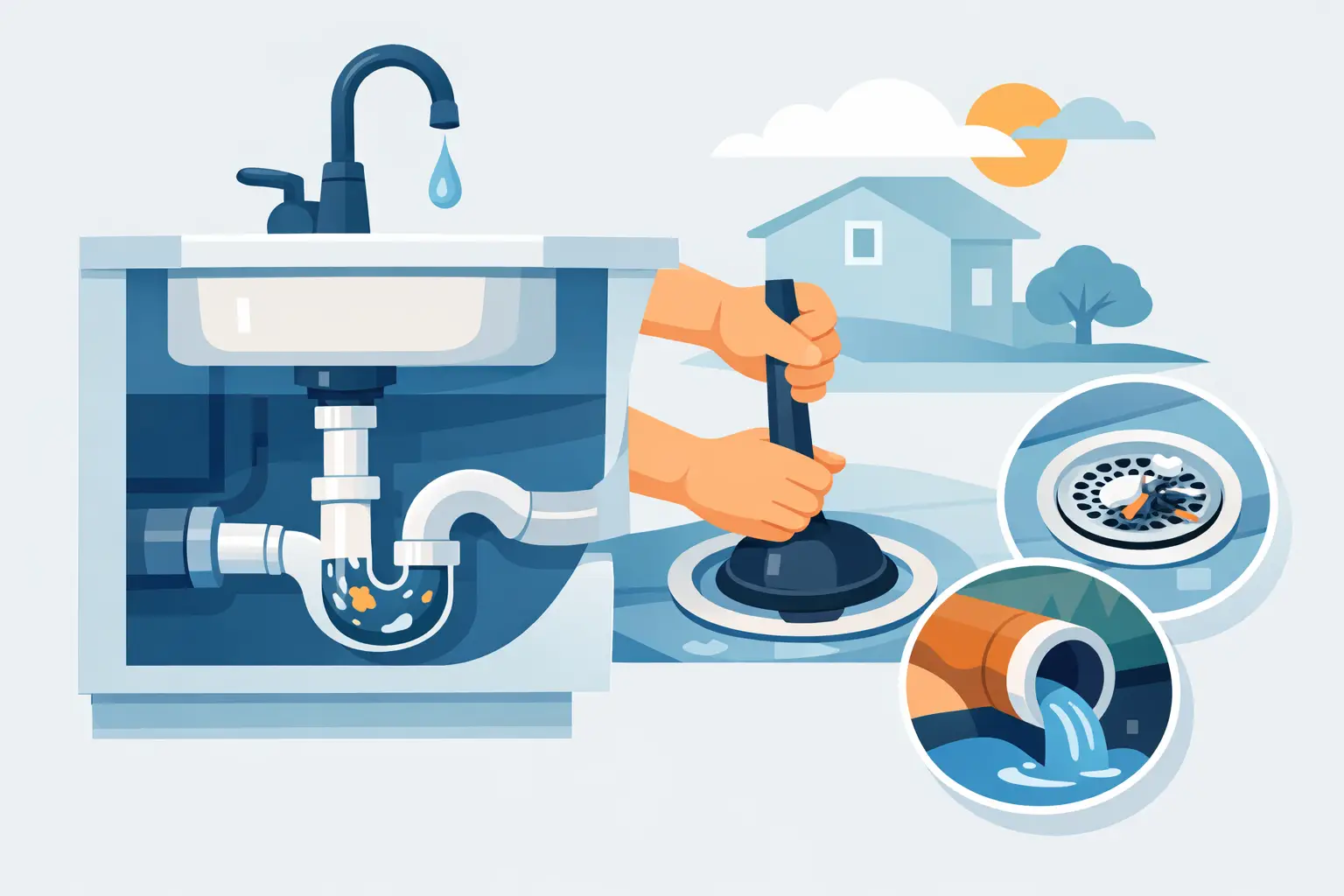
There is nothing wrong with handling simple prevention yourself. Using strainers, keeping grease out of sinks, and watching for early warning signs are all part of protecting your drains. A basic plunger can also help with an isolated toilet clog.
But if you are dealing with sewage backing up, several drains failing at once, water appearing at a floor drain, or a clog that comes back again and again, it is time to stop guessing. Those issues often point to a deeper blockage or a mainline problem. Pushing chemicals or repeated store-bought tools into that situation can delay the right repair and make cleanup worse.
The goal is not to overreact to every slow sink. It is to know the difference between a minor nuisance and a system that is warning you.
If you want to prevent drain backups, think in terms of habits, timing, and paying attention. Keep problem materials out of the line, take slow drains seriously, and get recurring issues checked before they turn into a mess. A drain system usually tells you when it needs help. Listening early is what keeps a small blockage from becoming a major backup.