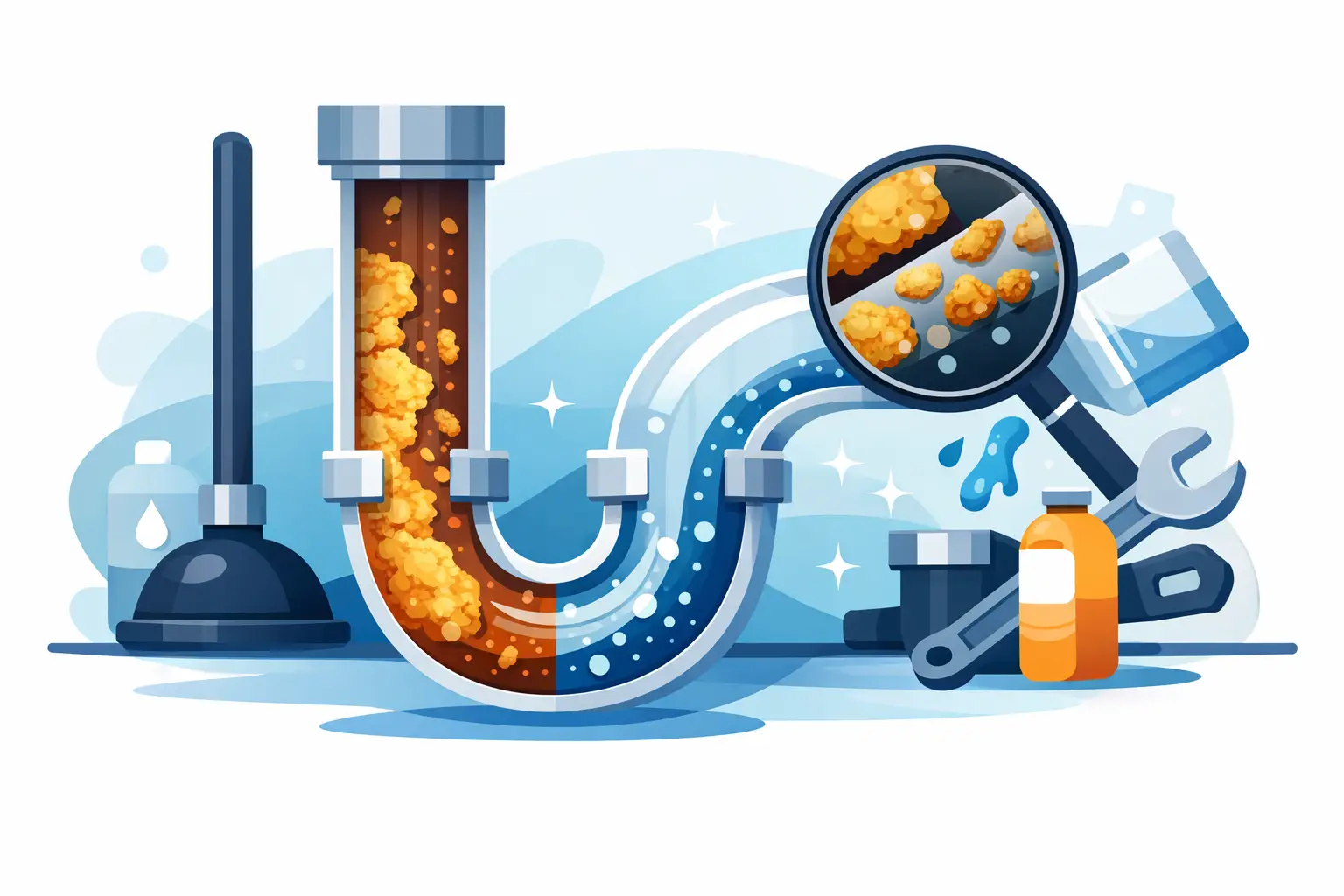
A drain can look clear at the opening and still be closing in from the inside. Pipe scale removal addresses the hard, crusty mineral buildup that clings to pipe walls, narrows the line, and gives grease, soap residue, and debris something to catch on. For homeowners and businesses around Burlington, that buildup can turn a minor slow drain into a recurring clog or messy backup.
Scale usually develops gradually, which is why it is easy to miss. Water may still go down the drain, just not as quickly as it used to. Then a busy morning, a load of laundry, or a rush at a commercial kitchen pushes the line past its limit. Knowing what scale is, what actually removes it, and when to bring in a drain specialist can help you avoid that last-minute emergency.
What Pipe Scale Is and Why It Causes Trouble
Pipe scale is a hardened deposit left behind by minerals in water. Calcium, magnesium, iron, and other minerals can collect on the inside of pipes over time. The exact makeup depends on local water conditions and the type and age of the pipe.
In a clean pipe, water moves through a smooth, open path. In a scaled pipe, the inner walls become rough and restricted. That rough surface grabs onto other material moving through the drain. Grease from cooking, soap scum from showers, food particles, hair, paper products, and sediment can build up much faster once scale is present.
Older galvanized steel lines are especially known for internal corrosion and mineral buildup, but scale can affect cast iron, copper, and other pipe materials as well. Plastic drain lines do not corrode the same way, yet they can still collect mineral deposits and residue at joints, low spots, and areas with poor flow.
The result is not always a complete blockage right away. More often, property owners deal with drains that keep slowing down, clogs that return after basic cleaning, odors from standing waste, or fixtures that gurgle when water is used elsewhere in the building.
Signs You May Need Pipe Scale Removal
A single slow sink can be a simple local clog. Several slow fixtures, frequent backups, or a drain that clogs again soon after plunging point to a larger issue farther down the line.
Watch for water draining slowly in a tub, shower, sink, or floor drain even after you have removed visible hair or debris. Gurgling sounds from toilets or drains can mean air is struggling to move through a restricted pipe. Sewer odors, water backing up at a floor drain, or a toilet that bubbles when a washing machine empties are stronger warning signs that deserve prompt attention.
Restaurants, rental properties, salons, and other small businesses may notice scale problems through repeated drain calls, grease-related clogs, slow mop sinks, or standing water near floor drains. A line can stay partly open for a while, but repeated service interruptions cost time and frustrate customers or tenants.
No two drain problems look exactly alike. Roots, broken pipe, a sagging sewer line, grease, and flushed materials can create symptoms similar to scale. That is why a sewer camera inspection can be worthwhile before choosing a cleaning method. It shows whether the line is coated with buildup, blocked by debris, damaged, or affected by more than one problem.
Why Store-Bought Cleaners Usually Fall Short
When water is draining slowly, it is tempting to pour a chemical cleaner down the pipe and hope for a quick fix. These products may soften some organic material near the opening, but they are not a dependable answer for heavy mineral scale farther down the line.
Harsh chemicals can also create problems of their own. They may sit in standing water without reaching the blockage, generate heat, damage certain older pipes or seals, and make later drain service less safe for anyone working on the line. Mixing products is especially risky and should never be done.
A plunger or small hand snake has its place for a basic fixture clog. But if the drain keeps slowing again, the tool may have only poked a small channel through the buildup. Water can move temporarily while the scale remains attached to the walls, ready to trap the next round of debris.
For minor maintenance, using strainers, keeping grease out of kitchen drains, and flushing only water and waste meant for the system can reduce new buildup. Those habits help, but they cannot restore a pipe that is already heavily restricted by hardened deposits.
Professional Pipe Scale Removal Methods
The right cleaning method depends on the pipe material, the location of the buildup, the condition of the line, and what a camera inspection reveals. A professional should not treat every slow drain the same way.
Drain Snaking and Mechanical Cleaning
A drain cable or auger can cut through a blockage, retrieve debris, or reopen a line enough to restore flow. It is often effective for hair, paper, wipes, and localized clogs. For thick scale coating a longer section of pipe, however, snaking may not clean the pipe walls thoroughly.
Mechanical cleaning tools can also be used in certain situations to break up tougher deposits. This work requires care, especially in older or deteriorated pipe, because aggressive tools are not the right fit for every line.
Hydro-Jetting for Heavy Buildup
Hydro-jetting uses controlled, high-pressure water to scour the inside of drain and sewer lines. A specialized hose and nozzle move through the pipe, breaking up scale, grease, sludge, and other buildup while flushing the material out of the system.
For many scale-related drain problems, hydro-jetting provides a more complete cleaning than simply opening a hole through the clog. It can clean a broader area of the pipe wall, which helps restore better flow and slows the return of debris buildup.
Hydro-jetting is not a one-size-fits-all service. A cracked, collapsed, severely corroded, or poorly connected line may need inspection before high-pressure cleaning is used. A camera inspection lets the technician check the condition of the pipe and choose a safe, effective approach. When the line is suitable, water-based hydro-jetting avoids the need to rely on harsh drain chemicals.
Camera Inspection Before and After Cleaning
A sewer camera gives a clear look inside the line. Before cleaning, it can help identify whether scale is the main restriction and locate trouble spots. After cleaning, it can confirm improved flow and reveal issues that buildup may have hidden, such as root intrusion, cracks, offsets, or damaged pipe.
That information matters because cleaning a line and repairing a broken line are different jobs. If scale is the problem, thorough cleaning may be all that is needed. If the pipe is failing, repeated cleaning alone may only delay a larger repair decision.
How to Prevent Scale From Becoming a Repeat Problem
Once a pipe has been cleaned, a few simple habits can help protect the result. Kitchen sinks need special attention because grease cools and sticks to pipe walls. Let grease harden in a container and throw it away instead of rinsing it down the drain. Use sink strainers to catch food scraps, and avoid putting coffee grounds, fibrous vegetables, or large amounts of starchy food into the disposal.
In bathrooms, hair catchers can prevent one of the most common sources of repeat clogs. Only toilet paper and human waste should be flushed. Products labeled flushable can still catch on rough pipe walls, roots, or scale and create a blockage farther down the line.
For commercial properties, preventive drain cleaning is often easier to budget than emergency service after a backup. The best schedule depends on how the property is used. A restaurant kitchen may need more frequent service than a small office, while a multi-unit building may benefit from periodic inspection of common sewer lines.
Hard water treatment can reduce mineral deposits entering the plumbing system, but it is not a substitute for cleaning a line that is already restricted. It also may not address scale created by corrosion inside older pipes. A drain professional can help determine whether the issue is active mineral buildup, failing pipe material, or both.
When It Is Time to Call a Drain Specialist
Call for professional help when multiple fixtures drain slowly, clogs return after basic efforts, a toilet or floor drain backs up, or you notice sewer odors and gurgling. These signs often mean the problem is beyond a single trap or short section of pipe.
Drain Pros LLC uses inspection and professional cleaning equipment to identify the cause before recommending the next step. That means the goal is not just to get water moving for the day. It is to clear the restriction as thoroughly as the pipe condition allows and give you a straight answer about what the line needs.
Do not wait for a slow drain to become water on the floor or a sewer backup during the worst possible moment. A timely inspection and the right cleaning method can keep your pipes open, your property cleaner, and your day moving in the right direction.