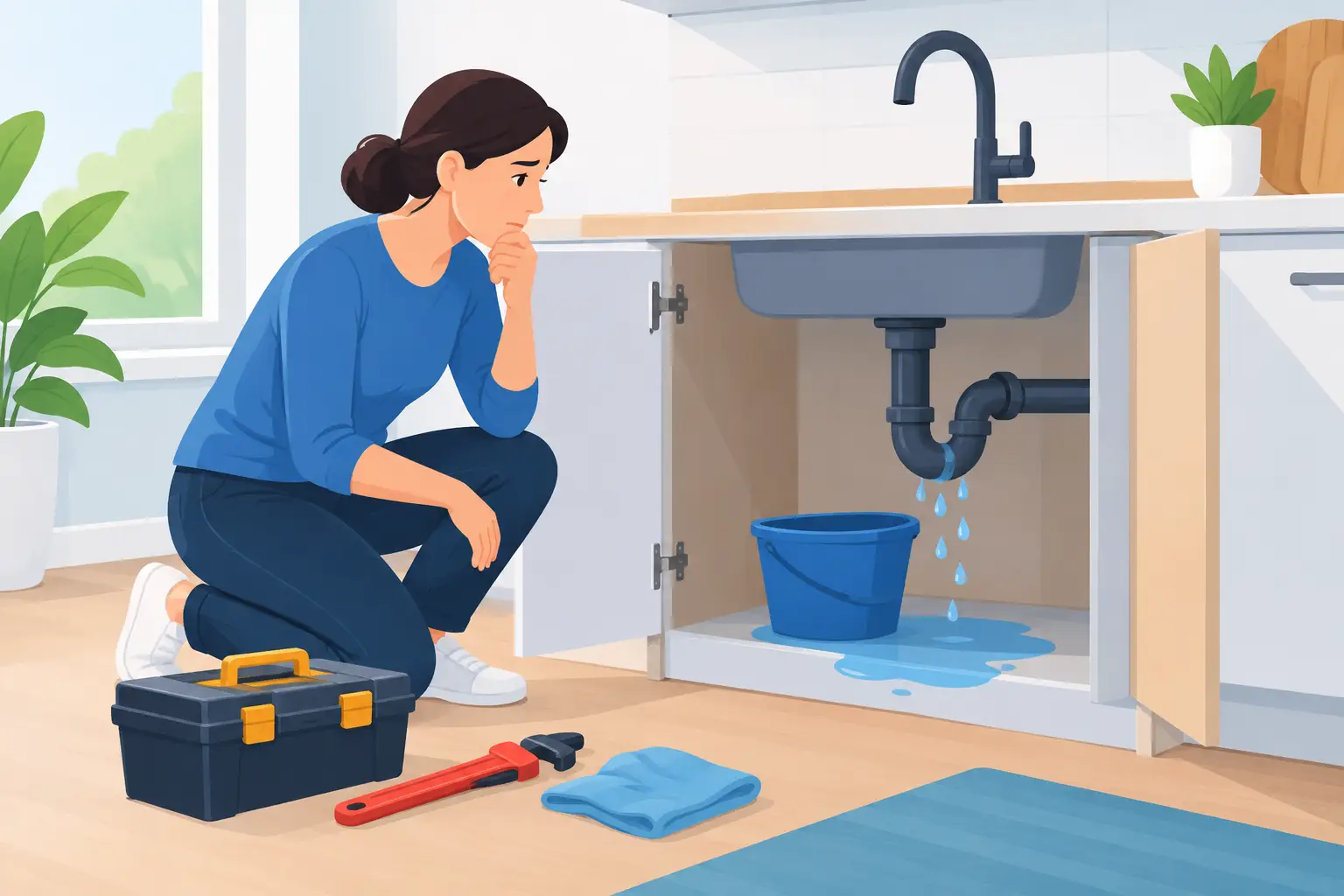
A drain emergency rarely starts with a dramatic flood. More often, it starts with a toilet that will not go down, a kitchen sink filling while the dishwasher runs, or water backing up into a tub. Knowing how to manage drain emergencies in those first few minutes can limit water damage, protect your property, and help a drain specialist get to the real cause faster.
The main rule is simple: stop adding water to the system. A slow drain can become a backup quickly when more water is sent through a blocked line.
Start by figuring out how widespread the problem is
One clogged fixture and several backing-up drains are not the same problem. If only one bathroom sink is slow, the blockage may be close to that sink. If flushing a toilet makes water rise in the tub or shower, or if more than one drain is backing up, the issue may be farther down the drain or sewer line.
Pay attention to what happens when you use water. A kitchen sink that backs up only when the dishwasher drains may point to a kitchen-line blockage. A lower-level shower or floor drain that fills when an upstairs toilet is flushed can be a warning sign of a mainline blockage. In a commercial property, repeated backups in a restroom, breakroom, or kitchen area deserve quick attention before they disrupt customers, employees, or tenants.
You do not need to diagnose the exact pipe problem yourself. Your job is to recognize the warning signs, stop the backup from getting worse, and share clear details with the drain-cleaning professional.
What to do during a drain backup
First, stop using water in the affected area. If multiple fixtures are involved, avoid running faucets, showers, washing machines, dishwashers, and toilets until the line has been checked. Even a small amount of extra water can come back out through the lowest drain opening.
If a toilet is rising toward the rim, remove the tank lid and close the flapper at the bottom of the tank if it is still open. This stops more water from entering the bowl. If the toilet is actively overflowing and you can safely reach the shutoff valve behind or beside it, turn that valve clockwise to stop the water supply to the toilet.
Move towels, rugs, boxes, electronics, and other valuables away from the area. If wastewater has come up through a drain, keep children and pets away from it. Wear gloves if you need to contain water, and avoid direct contact with sewage. Wastewater cleanup can require professional sanitation measures depending on how far the backup spread.
If there is standing water near electrical outlets, extension cords, or appliances, do not step into it or handle electrical equipment. Shut off power to that area only if you can do so safely from a dry location. When in doubt, leave the area alone and get qualified help.
Avoid the quick fixes that can make a clog worse
When a drain stops working, it is tempting to pour in a chemical cleaner and hope for the best. That is usually a bad gamble during a serious backup. Harsh chemicals can sit in the pipe, create fumes, splash back during drain cleaning, and sometimes damage older plumbing materials. They also do little for roots, heavy grease buildup, foreign objects, or a blockage deep in a sewer line.
A plunger can be useful for a simple toilet clog or a sink clog close to the drain opening. Use it only if the fixture is not already close to overflowing, and stop if the water level rises. For a kitchen sink, do not use a plunger after adding chemical drain cleaner.
Skip makeshift tools such as coat hangers, sharp objects, or aggressive store-bought snakes. They can damage a fixture, push the blockage farther down the line, or get stuck. A drain cable in inexperienced hands may clear a small opening without removing the buildup that caused the problem, which is why the clog returns days later.
When a drain emergency calls for professional help
Some drainage problems need more than a plunger. Call for professional drain and sewer cleaning when multiple drains are backing up, sewage is coming up through a drain, a toilet repeatedly overflows, or the same line clogs again and again. Gurgling toilets, bubbling drains, foul sewer odors, and water appearing around an exterior cleanout are also reasons to have the system evaluated.
Recurring clogs are especially worth investigating. The cause could be grease inside a kitchen line, roots entering a sewer pipe, wipes or other non-flushable items, scale buildup, a low spot holding waste, or a damaged line. Cleaning may restore flow, but a camera inspection can show whether there is an underlying condition that needs attention from the appropriate qualified contractor.
For businesses, do not wait for a complete shutdown. A restaurant kitchen drain that slows during busy hours, a restroom that backs up during an event, or a tenant complaint about repeated odors can become a larger interruption fast. Professional grease-line cleaning can remove buildup inside the drain line, but it is different from grease-trap pumping or interceptor servicing.
How professionals manage drain emergencies
The right method depends on the blockage and the condition of the line. A drain specialist may start by locating an accessible cleanout, evaluating which fixtures are affected, and using professional cable equipment to clear a blockage. This is often effective for common clogs caused by paper buildup, wipes, roots, or debris.
For grease, sludge, scale, and heavy buildup along pipe walls, hydro-jetting may be the better option. Hydro-jetting uses controlled high-pressure water to clean the inside of a drain or sewer line without relying on harsh chemical cleaners. It is a thorough cleaning method, but it is not automatically right for every pipe. Older, damaged, or collapsed lines should be assessed first, often with a camera inspection.
A sewer camera inspection helps identify what is happening beyond the drain opening. It can reveal root intrusion, buildup, offset joints, standing water, or visible damage. That information matters because clearing the line is only part of the answer when a structural issue is causing repeat backups. Hydro-jetting and drain cleaning can remove blockages, but they do not repair broken or collapsed pipes.
Prevent the next backup after the line is cleared
Once drainage is restored, a few habits can reduce the chances of another emergency. In kitchens, keep grease, cooking oil, coffee grounds, food scraps, and fibrous produce waste out of the drain. Grease may go down warm, but it cools and sticks to pipe walls, catching more debris over time.
In bathrooms, only toilet paper and human waste should be flushed. Products labeled “flushable” can still create problems, especially in older drain systems or lines with roots and buildup. Keep hair out of shower and tub drains with a simple screen, and clear the screen regularly.
Property managers and business owners should take repeat slow drains seriously instead of treating them as isolated complaints. A maintenance plan can be less disruptive than waiting for a full backup during a weekend, a tenant turnover, or a busy service period. The right schedule depends on how the property is used, the age of the drainage system, and its history of clogs.
Get clear answers before the backup grows
When you call for help, be ready to explain which drains are affected, when the problem started, whether sewage is present, and what happened just before the backup. Mention recent heavy use, construction work, landscaping near the sewer line, or repeated clogs in the same area. Those details help narrow down the likely cause.
For homeowners and businesses in Burlington and nearby Southeast Iowa and West-Central Illinois communities, Drain Pros LLC provides focused drain cleaning, sewer clearing, hydro-jetting, and camera inspection services. If you are outside the normal service area, contact the team to confirm availability.
A drain emergency is stressful, but it does not have to turn into a bigger mess. Stop the water, protect the area, avoid chemical shortcuts, and get the line checked when the warning signs point to more than a simple clog. One clear, informed call can be the difference between a contained problem and a costly cleanup.